
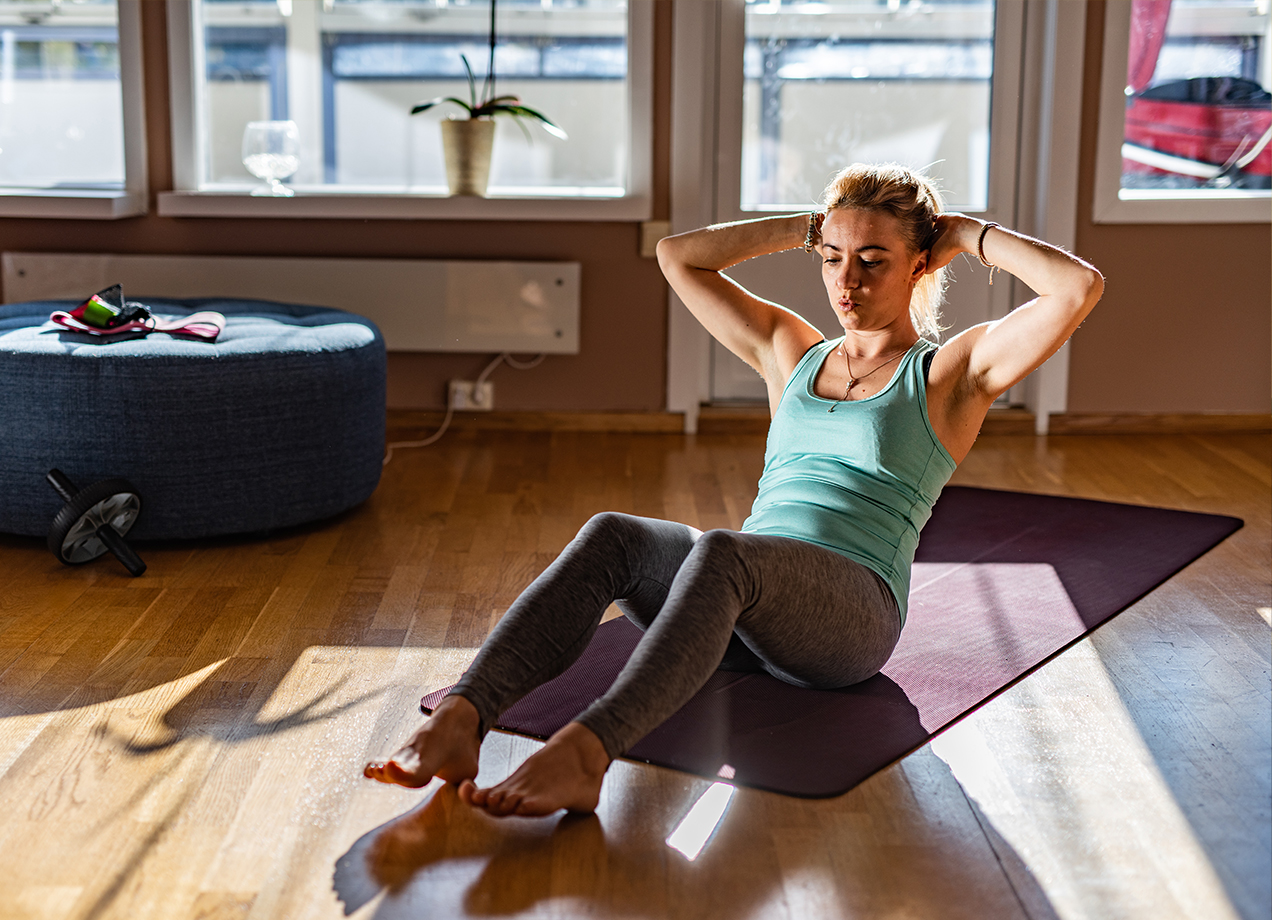
Soft-format physical activity is not about going faster, higher, or harder. It is about moving more pleasantly, more precisely, and more consciously — building awareness of flexibility, posture, balance, and how your body feels during everyday movement.
Let your breath set the tempo, not a stopwatch.
Walking slows the world to a pace that feels natural and unhurried.
Flexibility and body-awareness practices at a comfortable effort level.
When we talk about soft-format activity, we mean paying attention to how your body moves through daily life. Published research on body awareness suggests that slower, attentive movement may help some people notice posture and tension patterns over time. Instead of chasing intensity, you can learn to observe how your shoulders feel, how your feet meet the ground, and whether your spine feels stacked or slouched.
Think of it as tuning an instrument rather than performing on stage. Some movement-science literature notes that low-load mobility work, when practiced consistently and without strain, may support comfortable joint range for everyday tasks. That is the heart of what we share: educational ideas where pleasant effort replaces painful pushing.
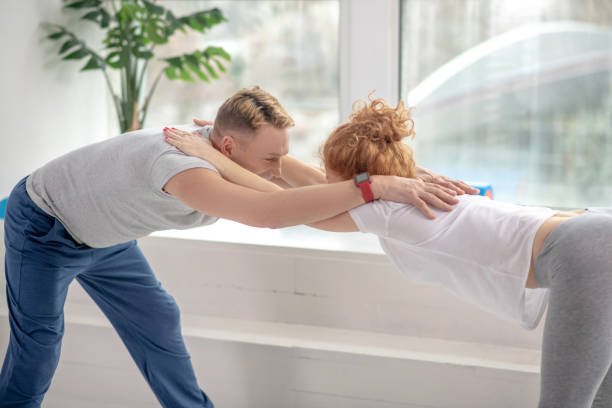
Walking is one of the most accessible soft activities available to many people. When you step outside at a moderate pace, your visual field expands and your breathing often settles into a steady rhythm. Some university research has explored how outdoor walking may differ from sitting indoors in terms of attention and thought patterns — largely because rhythm and environment give your mind a simple focus.
For people managing busy daily schedules, a twenty-minute walk without headphones can be a way to let the eyes wander across trees, buildings, and sky. That natural scanning rhythm can feel grounding. You are not trying to change or fix anything — you are simply allowing each step to arrive at its own pace.

Beyond walking, a whole family of gentle practices supports mobility without demanding athletic performance.
Longer holds and supported poses let connective tissue respond gradually. Props matter more than flexibility. A folded blanket under the knees can change everything about comfort in a seated forward fold.
Slow, flowing sequences train balance and coordination through weight shifts. Published studies on tai chi and older adults have examined stability in controlled settings — individual outcomes vary.
Buoyancy reduces load on joints while resistance builds gentle strength. Even walking in chest-deep water counts as soft activity when the goal is ease, not lap times.
Using a rolled towel or soft ball along calves, thighs, or upper back may help some people feel more comfortable in targeted areas. Light pressure for sixty to ninety seconds per area is a common starting point — more is not automatically better.
Moving to music at home with no choreography removes performance pressure. Let joints explore circles, swings, and reaches that feel satisfying rather than correct.
Bending, reaching, and carrying watering cans at a calm pace counts. Break tasks into ten-minute blocks and notice how varied positions wake up parts of your body that desk sitting ignores.
Common beliefs about exercise can push people toward strain. Tap each card to read a gentler perspective.
If your muscles are not sore tomorrow, the session was pointless.
That is a myth. Soft practices work with fascia and joints. No pain often means you moved thoughtfully and cared for your tissues.
You need a full hour or it does not count.
Short, consistent sessions add up. Ten mindful minutes of mobility can shift how your back feels by afternoon.
Flexibility only matters if you want to touch your toes.
Range of motion supports reaching, turning, and getting up from the floor. Functional flexibility beats circus tricks every day.
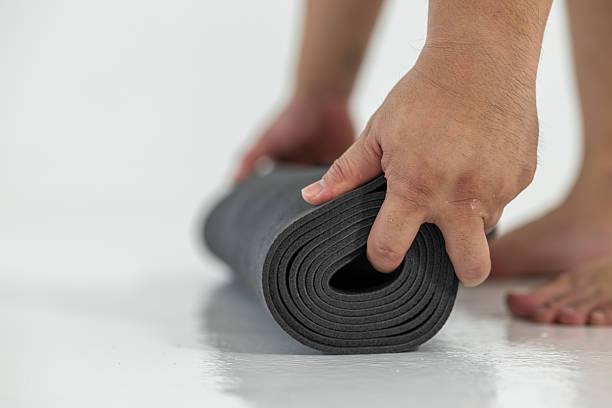
Fancy equipment is optional. Most soft-format sessions start with objects already in your closet or linen cupboard. The point is removing barriers, not collecting gear.
Instead of a yoga mat — a regular blanket folded twice for knee cushioning.
Instead of yoga blocks — thick hardcover books wrapped in a towel so they do not slip.
Instead of a yoga strap — a bathrobe belt or long scarf with no stretch.
Instead of a foam roller — a tightly rolled bath towel for gentle back support.
You already have everything you need to start caring for yourself today.
Home Practice GuideSoft-format activity should feel manageable, not overwhelming. Stop or modify any movement that causes sharp pain, dizziness, or shortness of breath beyond normal exertion. Hydrate before and after sessions, especially in warm weather. Wear supportive footwear for walking on uneven sidewalks.
If you are returning after a long break, begin with five to ten minutes and add time weekly rather than doubling duration overnight. Use stable furniture for balance support when trying new poses. Clear floor space of cords and clutter to prevent trips.
These guidelines support general wellness education. They do not replace individualized guidance from qualified professionals who know your personal history. Listen to your body’s signals and choose rest when needed — consistency over years beats intensity over days.
Community gatherings and educational sessions in the Chicago area. All times listed in Central Time (CT). Event fees, if any, are stated before registration.
Drop-in gentle stretching and posture tips at our Damen Ave space. Bring water and comfortable clothes — no experience required.
Forty-minute mindful walk through local parks. We pause for breathing resets and discuss pacing for warm weather.
Learn to set up a soft-format corner using blankets, books, and towels. Includes take-home sequence cards for weekday routines.
Chair-assisted and standing drills for stability as seasons change. Suitable for all levels with modification options.
One-on-one educational sessions available by appointment. We discuss your current habits and share ideas for a realistic weekly movement routine.
Slow group session with reflection on the year and intention-setting for sustainable movement in the months ahead.
We want every visitor to understand exactly what this website and our sessions provide.
Questions about our services? Read our full About Us page or contact us directly. For health concerns, please consult a licensed medical provider.