
A landscape of gentle practices — from flowing martial arts to buoyant water walks — each offering mobility without the pressure to perform.
Soft formats share a family resemblance: moderate effort, joint-friendly loading, and room to pause. They are not a single sport but a spectrum you can mix across the week. Someone might walk Tuesday and Thursday, practice fifteen minutes of yin yoga Wednesday, and swim gently Saturday — all without entering a competitive mindset.
The American College of Sports Medicine notes that adults benefit from varied movement including flexibility and balance work alongside aerobic activity. Soft formats often cover multiple categories at once. Tai chi, for example, blends slow aerobic effort with balance challenges and mindful attention.
Choosing formats should feel inviting. If you dread a practice, sustainability drops. Sample two or three options for a month each before deciding what belongs in your long-term routine.
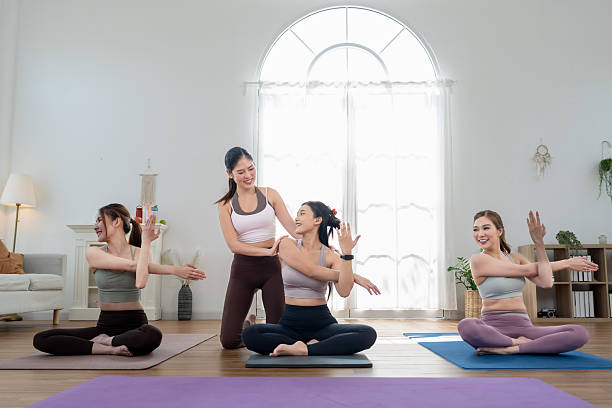
Gentle classes emphasize supported poses and transitions on and off the floor. Yin holds target hips, spine, and shoulders with props for three to five minutes. Neither style rewards forcing depth — sensation should stay diffuse, not stabbing.
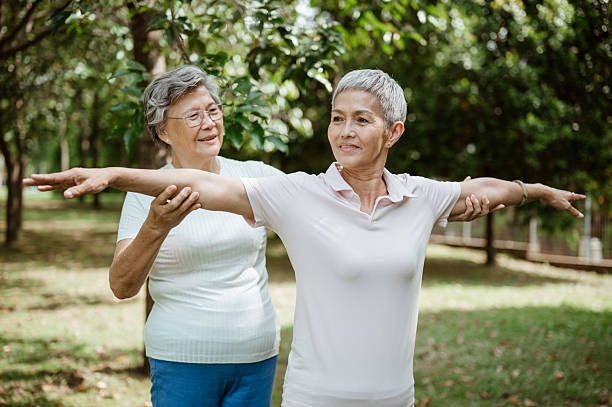
Weight shifts from leg to leg train stability for curbs and stairs. Arm movements open the chest after desk hunching. Community classes in parks often welcome complete beginners with simplified short forms.
Chest-deep water reduces impact while water resistance strengthens legs. Move forward, sideways, and backward for ten minutes. Noodle under arms adds security for those building confidence.
Bolsters, blankets, and wall space create positions where gravity assists opening. Ideal before sleep or after emotionally heavy days when vigorous movement feels like too much.
Tap each card to reveal a gentler, evidence-informed perspective on common exercise beliefs.
If your muscles are not sore tomorrow, the session was wasted.
That is a myth! Soft practices work with fascia and joints. No pain means you moved carefully and respected your tissues.
No sweat means no benefit.
Sweat reflects heat and genetics, not value. Slow balance and mobility work builds skills sweat cannot measure.
You must feel burning in muscles for it to work.
Burning often signals metabolic stress near failure. Soft formats aim below that threshold so you can repeat tomorrow.
Rest days are lazy days.
Rest days are when your body adapts to prior activity. Light walking on rest days can be a form of gentle movement without added intensity.
Some published reviews on tai chi have examined balance in research settings among older adults who practiced regularly. Workplace yoga studies have looked at self-reported comfort levels — context matters, and individual experiences differ widely.
We share this as general background only, not as a promise of results. Your experience depends on consistency, overall lifestyle, and personal factors. Movement is one part of a balanced routine.
Short form sequences in the park. Focus on weight shifts, soft knee bends, and breathing coordination.
Longer holds with blanket and book props. Learn which poses suit evening wind-down routines.
Twenty minutes each of three formats so you can feel differences in pace and focus.
Tai chi warm-up, yin hip opener, and fascia release with a rolled towel. Take-home cue cards included.
Chair, wall, and floor options for smaller spaces as weather turns colder. All props provided on site.
Slow combined session blending qigong breath work and restorative stretches before the holiday rush.
Inform instructors about recent injuries or balance concerns. Use pool rails when entering water. For tai chi outdoors, wear layers and non-slip shoes. Stop any movement that causes sharp joint pain or numbness.