
Not faster, higher, stronger — but more pleasant, more precise, and more aware. This is how soft-format activity reshapes everyday body care.
Mindful movement begins with a simple question: what does pleasant effort feel like right now? Instead of copying someone else's range of motion, you scan from head to toe and notice stiffness, ease, warmth, or coolness. Sports scientists sometimes call this autoregulation — adjusting intensity based on internal feedback rather than external targets.
In practice, that might mean holding a hip stretch for four breaths instead of forty seconds because your mind wandered or your knee complained. It might mean choosing a smaller arm circle because your shoulder blade wants stability today. Over weeks, this honest dialogue builds trust between you and your body, which is arguably more valuable than any single flexible pose.
Some movement-education literature suggests that paying attention during slow repetition may help people become more aware of joint positions. That awareness can be useful for everyday tasks like reaching or stepping off a curb.

Dynamic stretches — leg swings, arm circles, gentle torso rotations — prepare tissues for movement by increasing blood flow. Static holds belong after you are warm, typically thirty to sixty seconds without bouncing. Mixing both within a ten-minute block covers most daily needs before walking or desk work.
Seated hamstring reaches, ankle circles, and seated spinal twists make flexibility accessible when floor work feels unrealistic. Place feet hip-width apart, sit tall, and use the chair back for light support during side bends.
A common mistake is treating flexibility as a performance score. Functional range — can you look over your shoulder while driving, bend to tie shoes, reach overhead — matters more than touching the floor. Consistency across months changes tissue tolerance more than one aggressive session ever will.
Posture is dynamic, not a single frozen shape. When consultants talk about alignment, they usually mean distributing load so no one area — neck, lower back, knees — carries more than its share. Imagine a gentle lift through the crown of your head while shoulders rest away from ears.
Desk workers often benefit from micro-breaks every thirty minutes: stand, roll shoulders back, look at something twenty feet away. A wall stand drill — heels a few inches forward, hips and shoulder blades lightly touching the wall — retrains standing awareness without rigid military bearing.
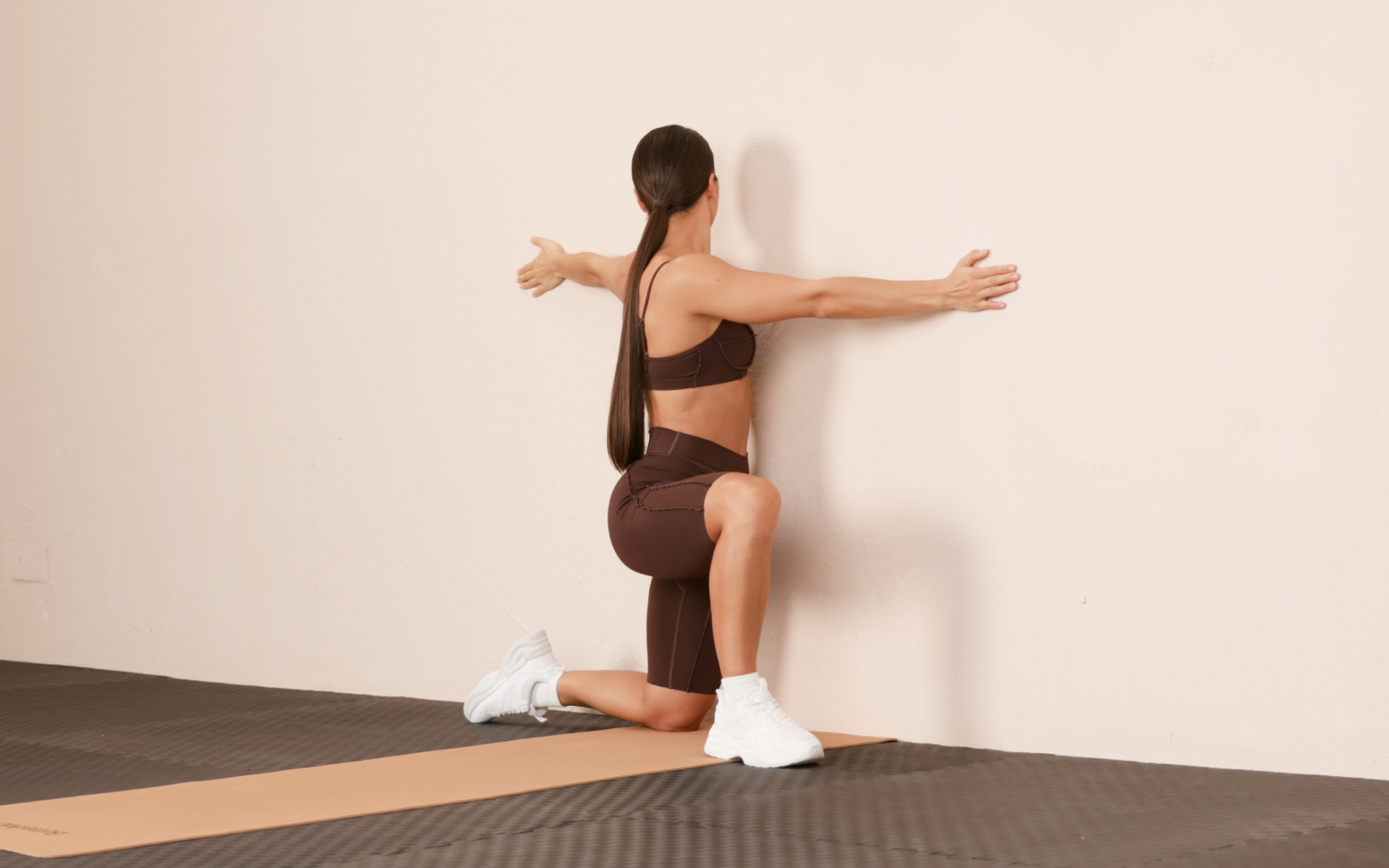
Fascia is connective webbing throughout your body. Gentle pressure and slow movement can help it glide more freely.
Roll a towel along the upper back for sixty seconds. Pressure should feel interesting, not excruciating. Breathe slowly and avoid holding your breath.
Yin-style holds of three to five minutes allow deeper layers to respond. Use props so joints stay comfortable throughout.
Warm showers before mobility work can make tissues more pliable. Drink water across the day — connective tissue responds to overall hydration habits.
Warm up joints with small movements before deeper stretches. Avoid comparing your range to others in class or online videos. If a joint feels pinching rather than broad stretching, back off and try a different angle. If you are pregnant, recovering from injury, or managing a health condition, consult a licensed provider before starting new movement routines.